Anti-inflammation is often presented as a diet trend or a list of miracle foods. That framing makes the topic sound simpler than it is. At its most useful, anti-inflammation means reducing avoidable burdens on the body while supporting the systems that repair and regulate it. It is not about removing every trace of inflammation.
Inflammation is not always the enemy
Inflammation is part of the body's defence and repair response. When you have an infection, cut, burn or other injury, immune signals bring attention and resources to the affected area. Short-lived inflammation can help contain a problem and begin the recovery process.
That protective response is different from chronic low-grade inflammation. Chronic inflammation is often subtle. It may not produce obvious redness or pain, but it can persist in the background and accompany long-term metabolic, cardiovascular and immune challenges. The goal is not to switch inflammation off. It is to lower unnecessary, long-lasting inflammatory pressure.
What anti-inflammatory habits actually target
A useful anti-inflammatory approach focuses on patterns rather than one ingredient. The practical targets are usually sleep, food pattern, movement, stress and the amount of time spent sedentary. These factors influence one another. Poor sleep can affect appetite and stress regulation. A very restrictive food plan can make consistency harder. Long periods of inactivity can contribute to metabolic strain even when someone eats reasonably well.
Scientific discussion of anti-inflammatory eating therefore tends to focus on overall dietary quality. That includes enough fibre-rich plants, adequate protein, unsaturated fats, minimally processed foods and a reasonable total energy intake. It does not require a perfect diet or an expensive supplement routine.
Signs often described as low-grade inflammation
People sometimes associate chronic inflammation with persistent fatigue, slow recovery, poor sleep, mood changes or disrupted appetite. These experiences can have many causes and are not specific to inflammation. They should not be used as a self-diagnosis. If symptoms are persistent, unusual or affecting daily life, a qualified clinician can help identify what is actually happening.
Six practical starting points
- Stabilise sleep timing. A consistent sleep and wake schedule is usually more realistic than chasing perfect sleep every night.
- Improve the food pattern. Build meals around vegetables, legumes, whole grains and a useful protein source instead of following extreme restrictions.
- Move regularly. Routine daily activity is generally easier to sustain than occasional very intense exercise.
- Break up long sitting periods. Short walks or standing breaks during the day can reduce the effect of prolonged inactivity.
- Address chronic overload. Stress does not need to be eliminated to be managed. Reducing exposure, seeking support and creating recovery time all matter.
- Review patterns, not individual days. One meal does not define your health. What repeats across weeks is more useful to examine.
Common misconceptions
Myth: one food can solve inflammation. No single ingredient can outweigh an otherwise poor pattern or replace medical treatment.
Myth: anti-inflammatory eating means extreme restriction. A rigid plan that is difficult to sustain may create more harm than benefit.
Myth: supplements can compensate for sleep loss and chronic stress. Supplements cannot replace the fundamentals of sleep, food, movement and stress management.
Myth: anti-inflammation replaces medical care. Recipes and lifestyle information are general education, not diagnosis or treatment.
How to use this site
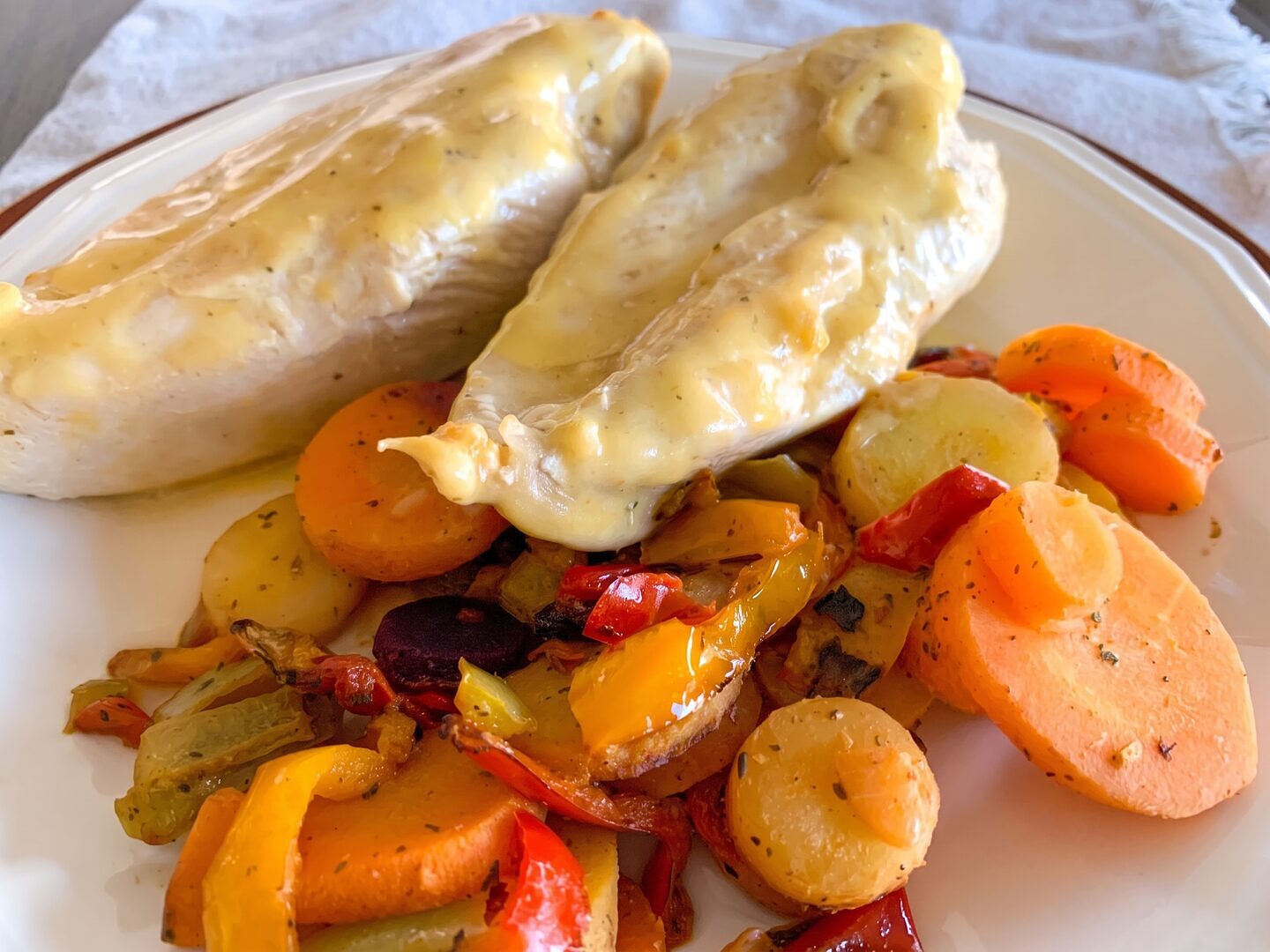
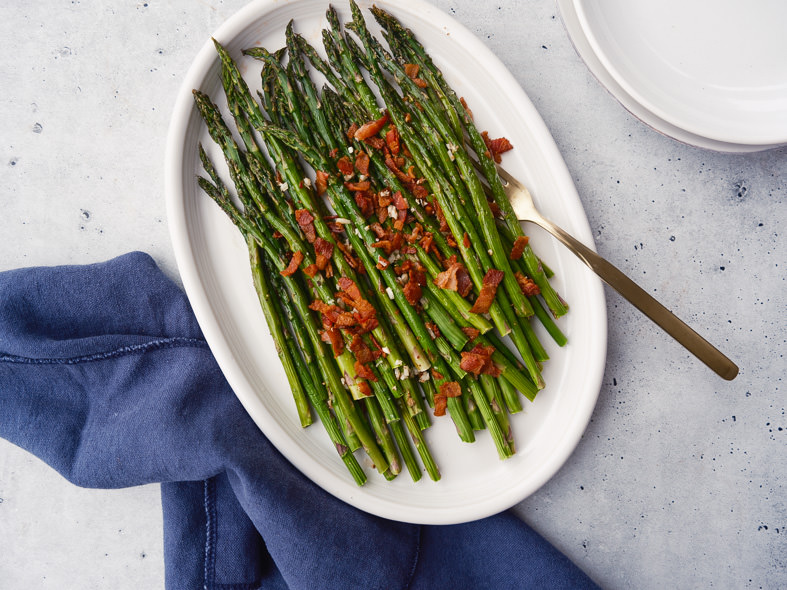
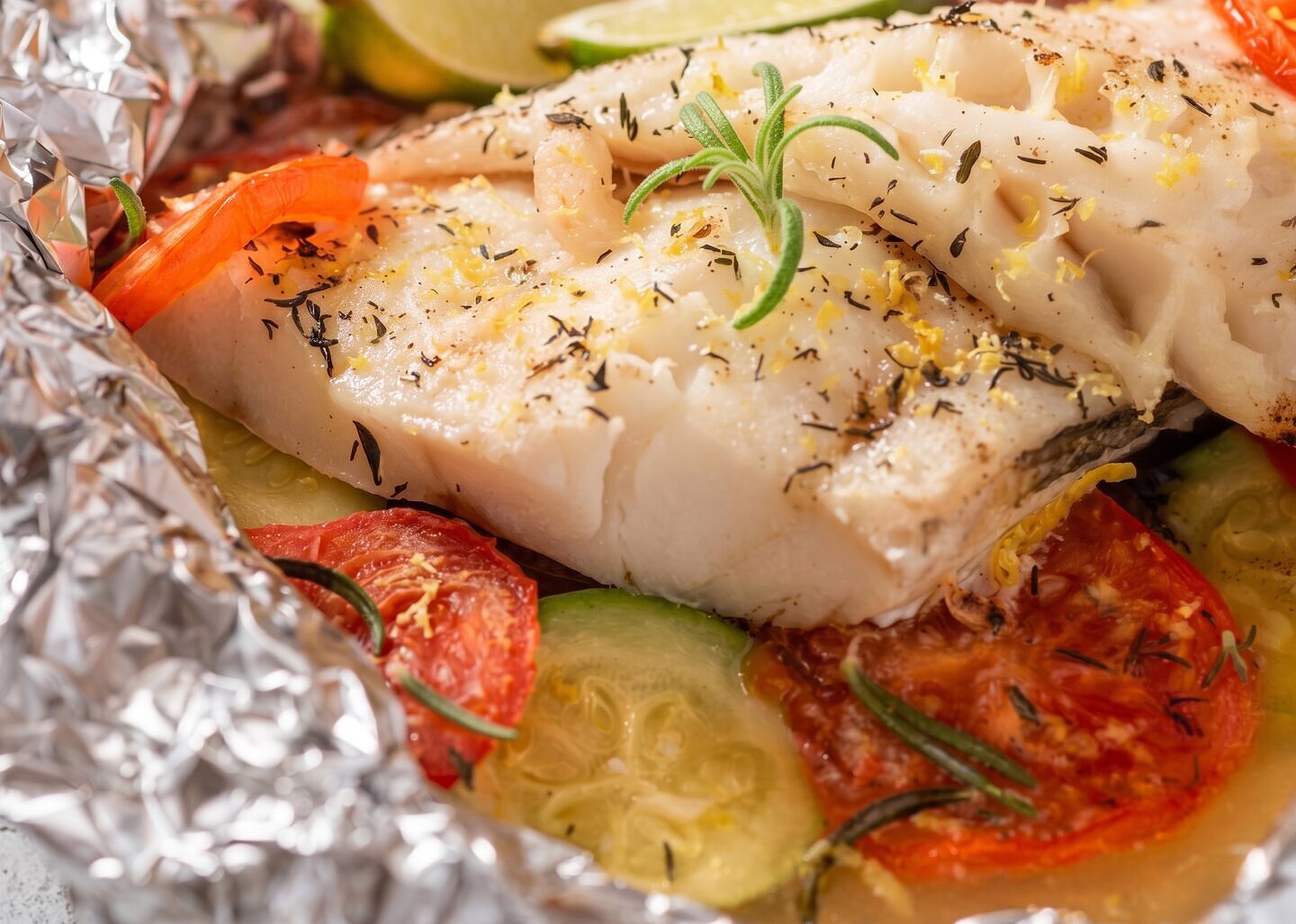
Inflameless applies these ideas in a practical way: high-protein meals for satiety, source-listed recipes for people who need that lens, lower-fat options and plant-based dishes. Every recipe keeps its original source so you can verify ingredients and nutrition. Use the collection that fits your situation rather than treating any one recipe as a cure.
The most useful sentence to remember is this: anti-inflammatory practice is not about chasing a dramatic result in a week. It is about lowering long-term burden at a pace you can maintain.