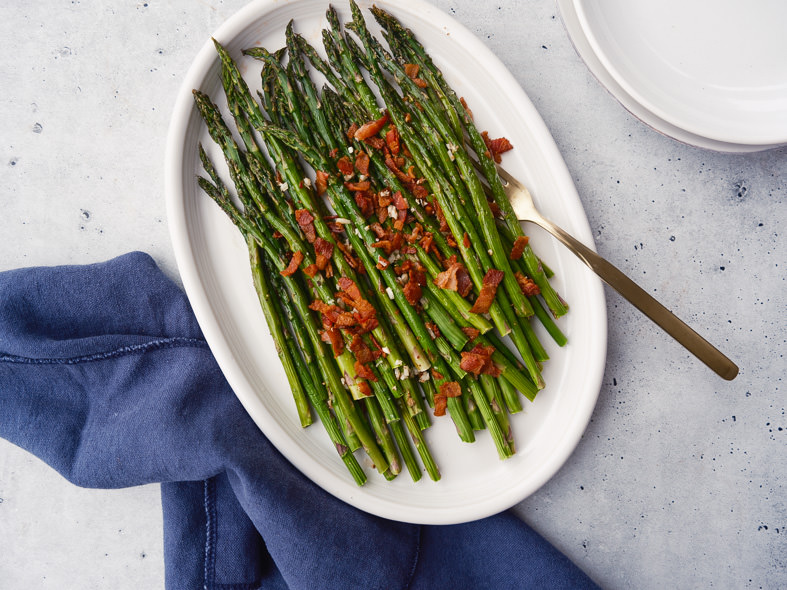
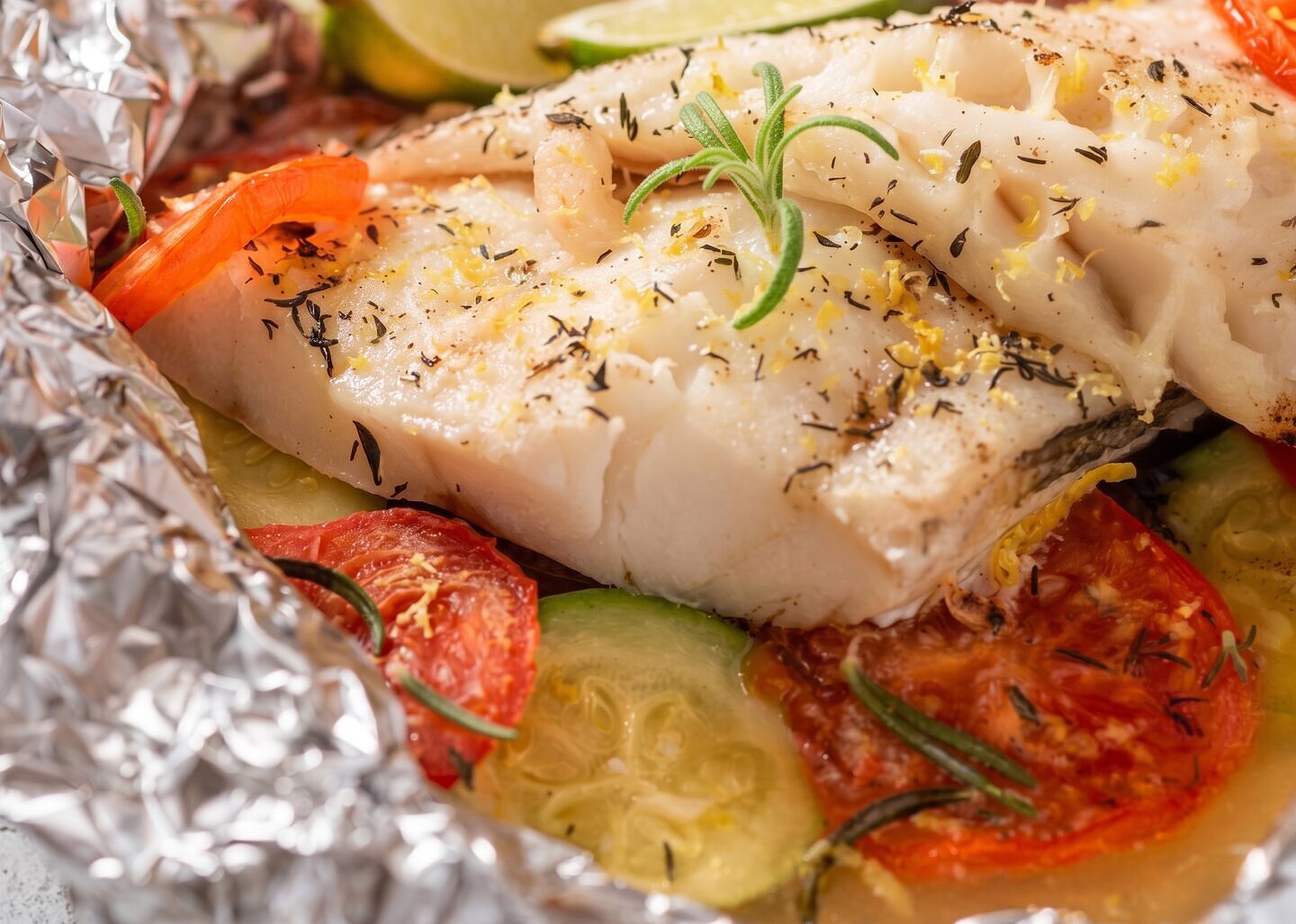
You may have seen lists that label foods as “anti-inflammatory” or “pro-inflammatory.” Behind them is the Dietary Inflammatory Index, or DII. It is worth understanding what it actually does.
The DII scores 45 food parameters based on their links to six blood markers of inflammation, including C-reactive protein and IL-6. A diet rich in vegetables, fruits, whole grains, fish, and plant oils tends to score lower. A diet heavy in processed meats, refined starches, and fried foods tends to score higher.
The key point: the DII measures the inflammatory potential of your diet, not the inflammation in your body. A 2024 meta-analysis found that people with higher DII scores had a higher risk of metabolic syndrome. In cohort studies, the pooled relative risk was 1.33; in cross-sectional studies, the pooled odds ratio was 1.24. A Chinese meta-analysis of more than 214,000 participants found similar patterns for overweight and obesity. These are group-level patterns. They do not mean your personal score can diagnose your inflammation or predict your health.
Why does this matter? Because it is easy to turn a research tool into a personal scorecard. Bakhshimoghaddam et al. (2024) describe the DII as a useful tool for assessing dietary inflammatory potential at the population level, not as a diagnostic instrument for individuals.
So what can you do with it? Use it to look at your overall plate, not as a test to pass. If most meals are built around vegetables, whole grains, beans, fish, and plant oils, you are already in the lower-scoring pattern. If processed meats, white bread, and fried snacks take up a lot of space, there is room to shift the balance. You do not need to calculate a number. The pattern is what matters.