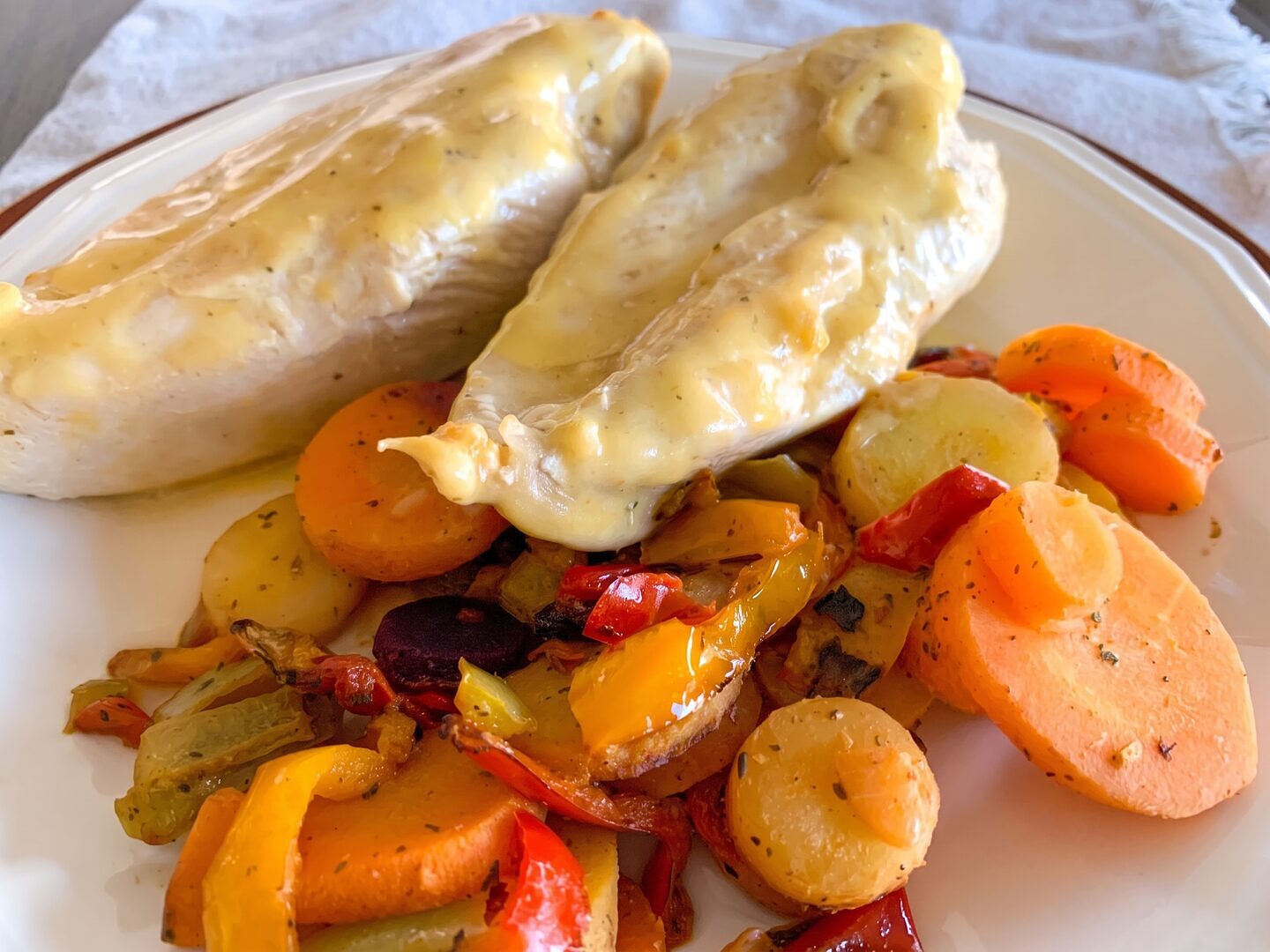
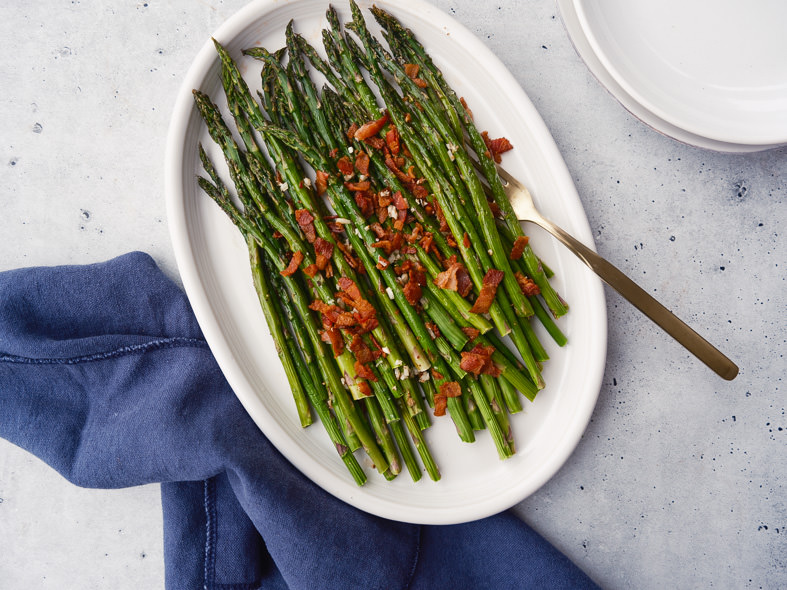
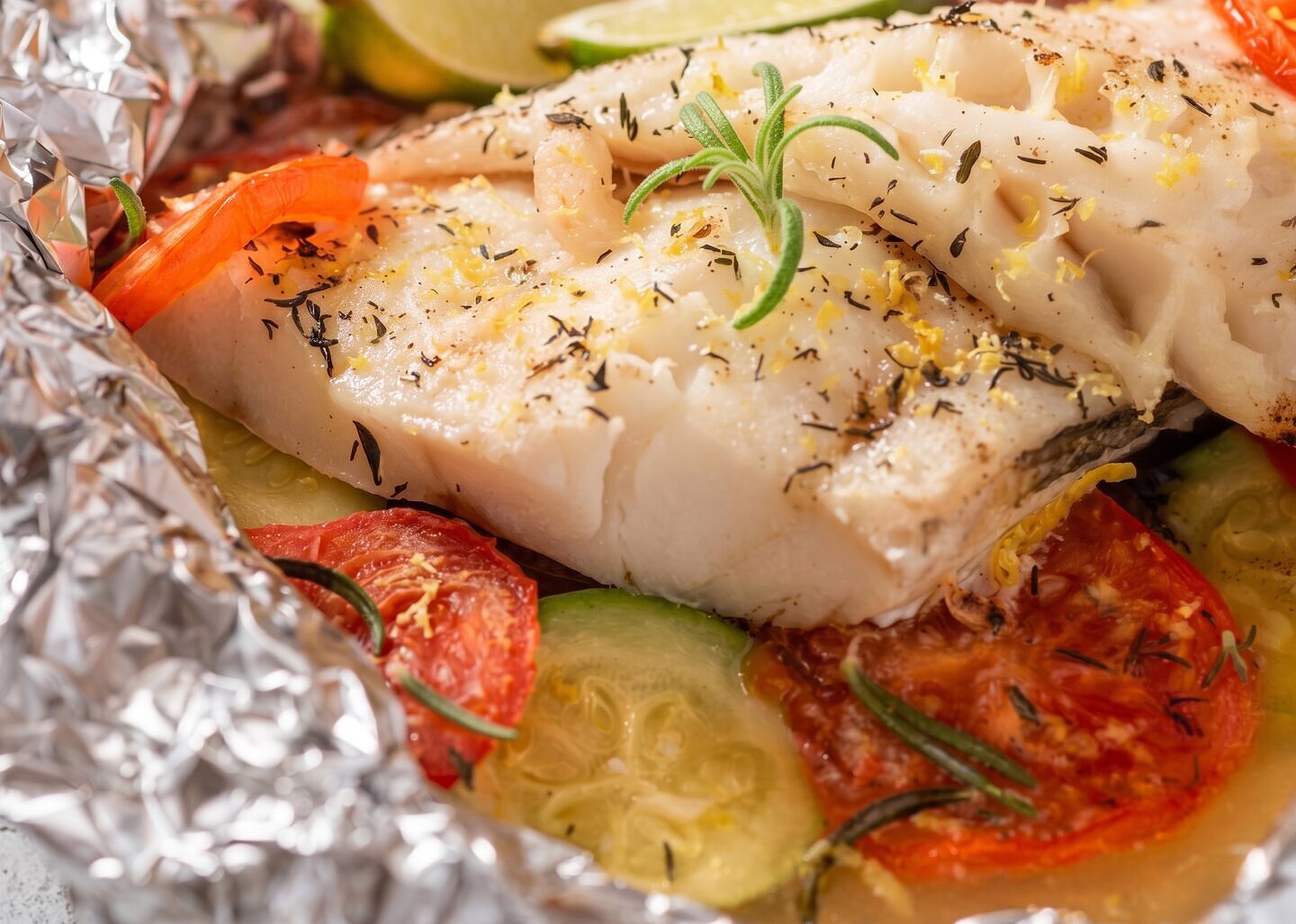
An anti-inflammatory diet is not a single formal diet with one fixed menu. In research and clinical practice, the term usually describes a pattern rich in minimally processed plant foods, adequate protein and unsaturated fats, with less refined carbohydrate and heavily processed meat. The details can vary. The direction is consistent: make the overall pattern more supportive and less burdensome.
Start with the whole pattern
Meal quality matters more than finding one perfect ingredient. A plate with vegetables, beans or another protein source and a high-fibre starch is usually more useful than a plate built around a supplement or a single so-called superfood. Variety also matters because different plant foods provide different fibres, vitamins, minerals and polyphenols.
Vegetables: volume, colour and fibre
Vegetables can occupy a large part of the plate without making the meal feel restrictive. Dark leafy greens, broccoli, cabbage, tomatoes, carrots, peppers, squash and allium vegetables such as onion and garlic all add useful nutrients. Frozen vegetables are a practical option and retain nutrition well when frozen soon after harvest.
If digestion is sensitive, increase fibre gradually and use cooking methods that work for you. Roasting, steaming, sauteing and soups can all be part of a plant-rich pattern.
Fruit: eat the whole fruit
Whole fruit provides fibre and water alongside carbohydrate and micronutrients. Berries, citrus, kiwi, apples, pears, mango and pineapple can all fit. Fruit juice is less filling than whole fruit and makes it easier to consume a large amount of sugar quickly, so it is better treated as an occasional drink rather than the main way to eat fruit.
Protein: include enough and vary the source
Protein supports muscle, immune function and satiety. Fish, poultry, eggs, tofu, tempeh, yoghurt, beans and lentils are all useful choices. Oily fish such as salmon, sardines and mackerel provide omega-3 fats, but they do not need to be eaten every day to contribute to a balanced pattern.
Processed meats such as bacon, sausage and deli meat are generally better kept occasional because they are often high in sodium and are associated with less favourable long-term health outcomes. This does not mean one serving is dangerous. It means the frequency and the rest of the plate matter.
Beans, lentils and whole grains
Legumes and whole grains combine fibre with protein and micronutrients. Lentils, chickpeas, black beans, oats, brown rice, barley and whole-wheat products are flexible across soups, salads, bowls and tacos. Canned beans can be a quick option; rinse them when you want to reduce added sodium.
Nuts and seeds
Walnuts, flaxseed, chia, pumpkin seeds and other unsalted nuts and seeds add healthy fats, minerals and fibre. A small handful is enough. Portion awareness matters because they are energy dense, especially when eaten directly from a large bag.
Fats, herbs and flavour
Olive oil, avocado, nuts and seeds are useful sources of unsaturated fat. Herbs, citrus, vinegar, garlic, ginger and spices add flavour with little or no added sodium. These are not medical treatments, but they make lower-sodium and lower-fat cooking easier to repeat.
What to reduce, not worship
There is no food that must be permanently banned for most people. Refined sweets, sugary drinks, highly processed snacks, large amounts of added sodium and frequent processed meat are the categories to notice. Reducing frequency is usually more sustainable than aiming for absolute purity.
A realistic daily template
A simple starting point is vegetables at two meals, fruit once or twice, a protein source at each main meal, legumes several times a week and whole grains in portions that match your activity and appetite. Hydration, sleep and movement still matter. Food is one part of the inflammatory-load picture, not the entire picture.
Personal medical needs come first
Kidney disease, diabetes, food allergies, pregnancy and medication use can change what is appropriate. A source-listed diet, for example, may require specific attention to sodium, potassium, phosphorus or protein. Inflameless labels recipes according to their source, but it cannot decide whether a recipe fits your treatment plan. Use the recipe library as a starting point and confirm medical diets with a qualified professional.